Lower Back Pain: Causes and Treatment – When Can a Chiropractor Help?

- Lower back pain is one of the most common musculoskeletal complaints. Sedentary work, stress, lack of movement, or even one wrong move can quickly lead to dull, pulling, or sharp pain.
- But how can you tell whether it’s a muscular issue or a deeper spinal condition? And when is it worth seeing a chiropractor?
- In this article, we review the most common causes of lower back pain and the possible treatment options.
Why Does Lower Back Pain Develop?
Lower back pain can have several underlying causes.
1. Muscle Tension and Overload
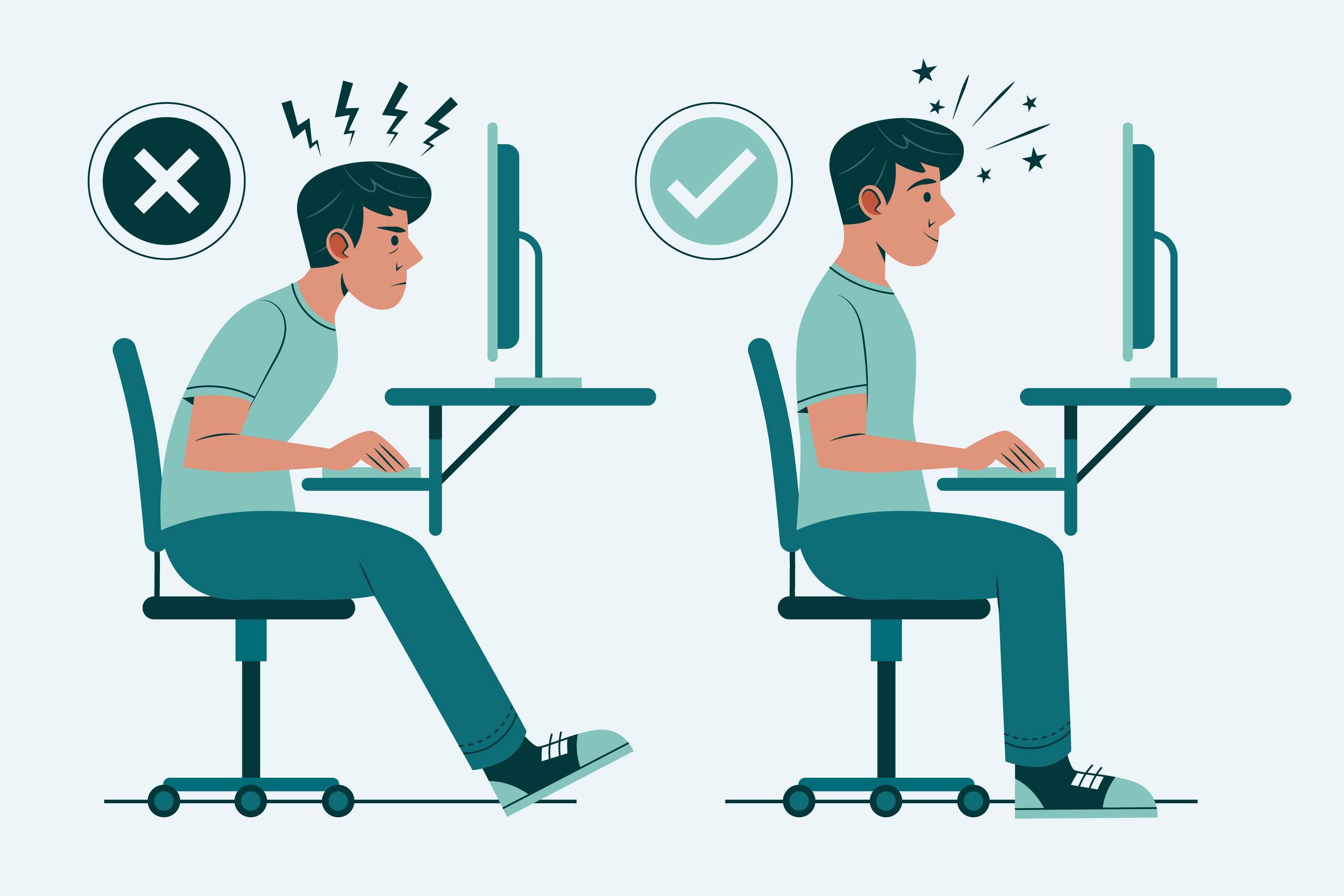
- Prolonged sitting
- Poor posture
- One-sided physical strain
- Stress
2. Joint Blockage in the Spine
Restricted movement or misalignment of the small facet joints between the vertebrae can cause localized pain that:
- Worsens when bending
- Is accompanied by morning stiffness
- Creates a “locked” or “pinched” sensation during certain movements
In such cases, chiropractic treatment can help restore joint mobility and range of motion.
3. Disc Involvement
If the pain:
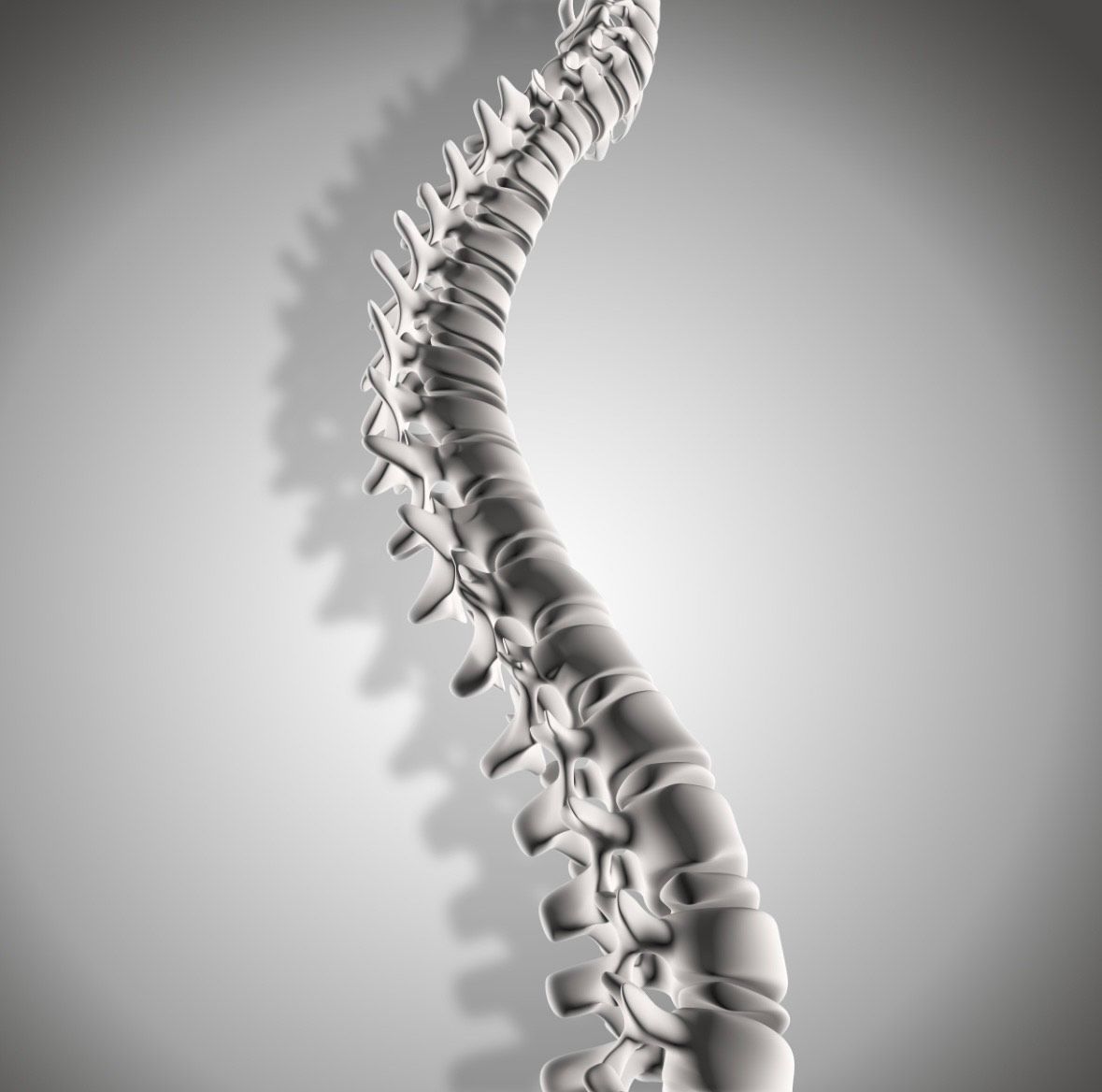
- Radiates into the buttock
- Spreads down the leg
- Is accompanied by numbness or tingling
there may be nerve involvement.
In these situations, proper differentiation is essential. A chiropractor is not always the first step — in many cases, a prior medical examination is recommended before starting treatment.
When Can Chiropractic Treatment Help?
Chiropractic care can be particularly effective if:
- Pain improves with movement
- Range of motion is restricted in a specific direction
- The lower back suddenly “locks”
- Muscle tension is the dominant symptom
The goals of treatment are:
- Releasing joint blockages
- Reducing muscle tension
- Restoring normal range of motion
When Is Chiropractic Treatment Not Recommended?
Chiropractic treatment is not advised in the following cases:
- Severe osteoporosis
- Vertebral injury
- Sequestered (extruded) disc herniation
- Recent fracture or surgery
- Cancer
- Fever
- Acute infectious disease
- Severe skin conditions
- Blood clotting disorders
- Thrombosis
- Severe heart disease
- Severe psychiatric conditions
- Pregnancy (certain techniques may be applicable, but always in consultation with a specialist)
- Extremely weakened general condition
Safety is always the top priority. If you are unsure, consult with a professional before booking a treatment.
How Does a Lower Back Pain Treatment Session Work?
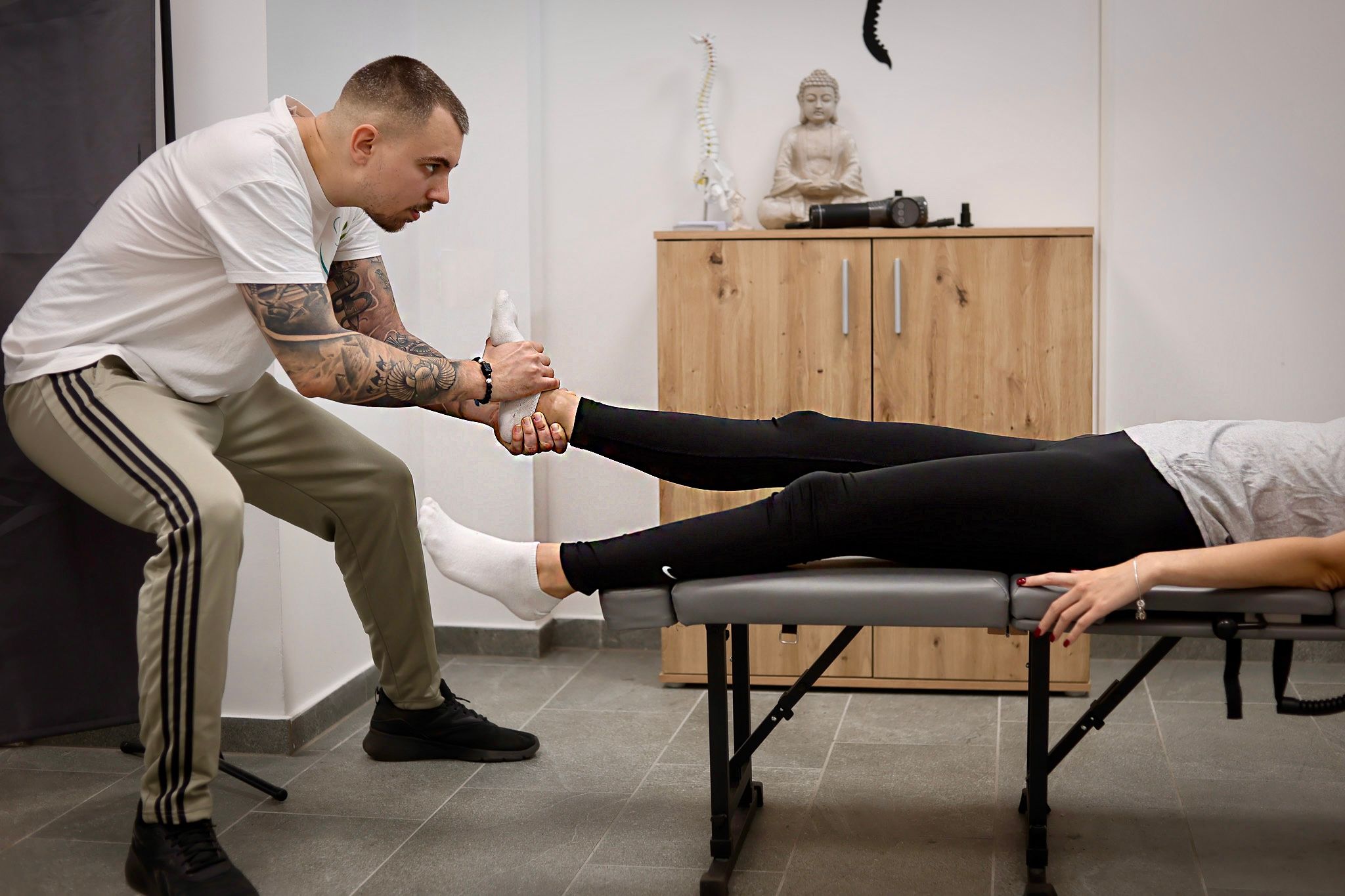
1. Assessment and movement examination
2. Functional testing
3. Manual mobilization or manipulation
4. Advice and corrective recommendations
What Can You Do Immediately for Lower Back Pain?

- Avoid complete bed rest
- Perform gentle mobilizing movements
- Apply short-term heat therapy
- Maintain conscious, proper posture
If the pain does not improve within 3–5 days, it is advisable to consult a specialist.
Summary
In most cases, lower back pain is functional in origin and can improve quickly with appropriate treatment. The key lies in accurate differentiation and individualized assessment.
If you would like to find out what may be causing your symptoms, book an assessment and targeted treatment with us.