Why is this type of pain so common?
If you spend several hours a day sitting — in front of a computer, looking down at your phone, or driving — chances are you’ve already experienced an uncomfortable, pulling or stabbing pain between your shoulder blades.
Modern lifestyle habits often lead to:
- rounded shoulders
- overload in the upper back
- constant muscle tension
This area is especially sensitive because it connects the movement of the neck, shoulders, and upper back — making it prone to persistent pain.

Neck Pain from Phone Use
Most Common Causes of Pain Between the Shoulder Blades
1. Muscle Tension (most common cause)
The trapezius and rhomboid muscles constantly work to maintain posture. When you sit for long periods:
- they become overworked
- they stiffen
- painful knots (trigger points) can develop
This usually presents as a dull, aching or pulling sensation.

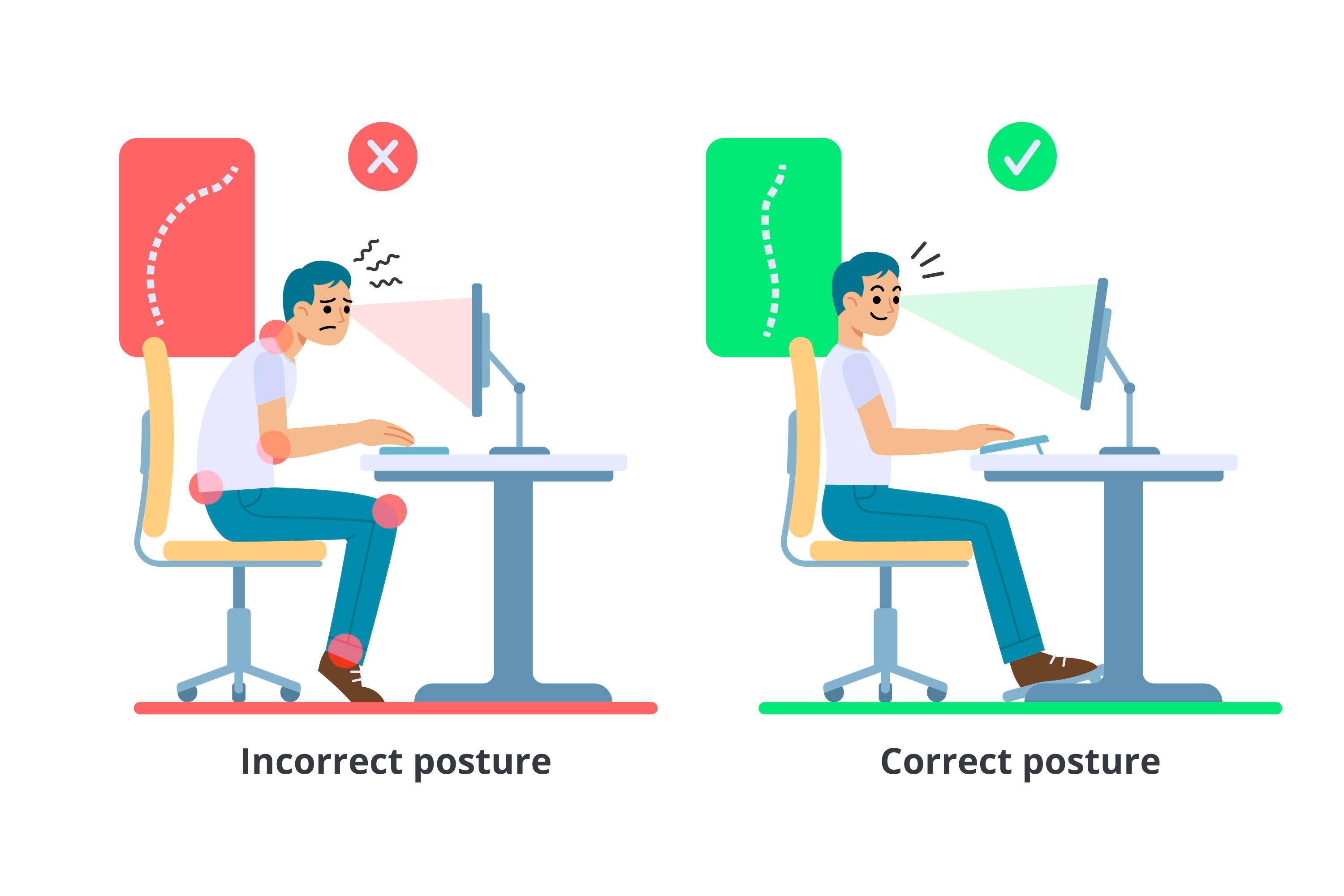
2. Poor Posture
One of the main triggers is the so-called “forward head posture”:
- head pushed forward
- shoulders rounded inward
- slouched upper back
Over time, this creates muscle imbalances that lead to pain between the shoulder blades.
3. Stress and Tension
Stress doesn’t just affect your mind — it shows up in your body too.
Many people unconsciously:
- raise their shoulders
- keep their upper back muscles constantly tight
This can lead to chronic muscle tension and recurring pain.

4. Neck-Related Issues
Sometimes the pain doesn’t originate in the upper back, but radiates from the neck.
In such cases, you may also experience:
- stiff neck
- headaches
- pain that worsens with movement
This is a more complex issue and should be assessed by a professional.

When Should You Take It Seriously?
Although most cases are muscle-related, some symptoms should not be ignored.
Warning signs:
- numbness or tingling in the arms
- pain that worsens when breathing
- tightness or pressure in the chest
- sudden, sharp pain
If you experience any of these, it’s important to seek professional evaluation.
How Can Chiropractic Treatment Help?
A common cause of shoulder blade pain is imbalance in joints and muscles.
The goal of chiropractic care is to:
- release joint restrictions
- restore mobility in the neck and upper back
- reduce muscle tension
A well-structured treatment plan can help:
- quickly reduce pain
- improve posture
- prevent recurring issues

What Can You Do at Home? (Very Important!)
Long-term improvement depends heavily on your daily habits.
1. Move Your Back Regularly
- stand up every hour
- do shoulder rolls
- stretch your chest muscles
2. Pay Attention to Your Posture
- keep your screen at eye level (or slightly higher)
- support your back
- let your shoulders relax back and down
3. Do Short Stretching Sessions During the Day
- Even 5–10 minutes a day can significantly reduce tension.

Summary
Pain between the shoulder blades is a very common issue, especially with sedentary work and a stressful lifestyle. In most cases, muscle tension and poor posture are the main causes, but persistent or severe symptoms should be evaluated by a professional.
With the right combination of treatment and lifestyle changes, this type of pain can be effectively managed and prevented long term.
If you’d like to find out what’s causing your symptoms, book an assessment and targeted treatment with us today.